


 +91-7827475131
 contact@femmenest.com
 IVF and Infertility
 Gynaecology
 Robotic Gynecology
 Laparoscopic Surgery
 Fetal Medicine
 Birthing
 Hysteroscopy

 Home
Home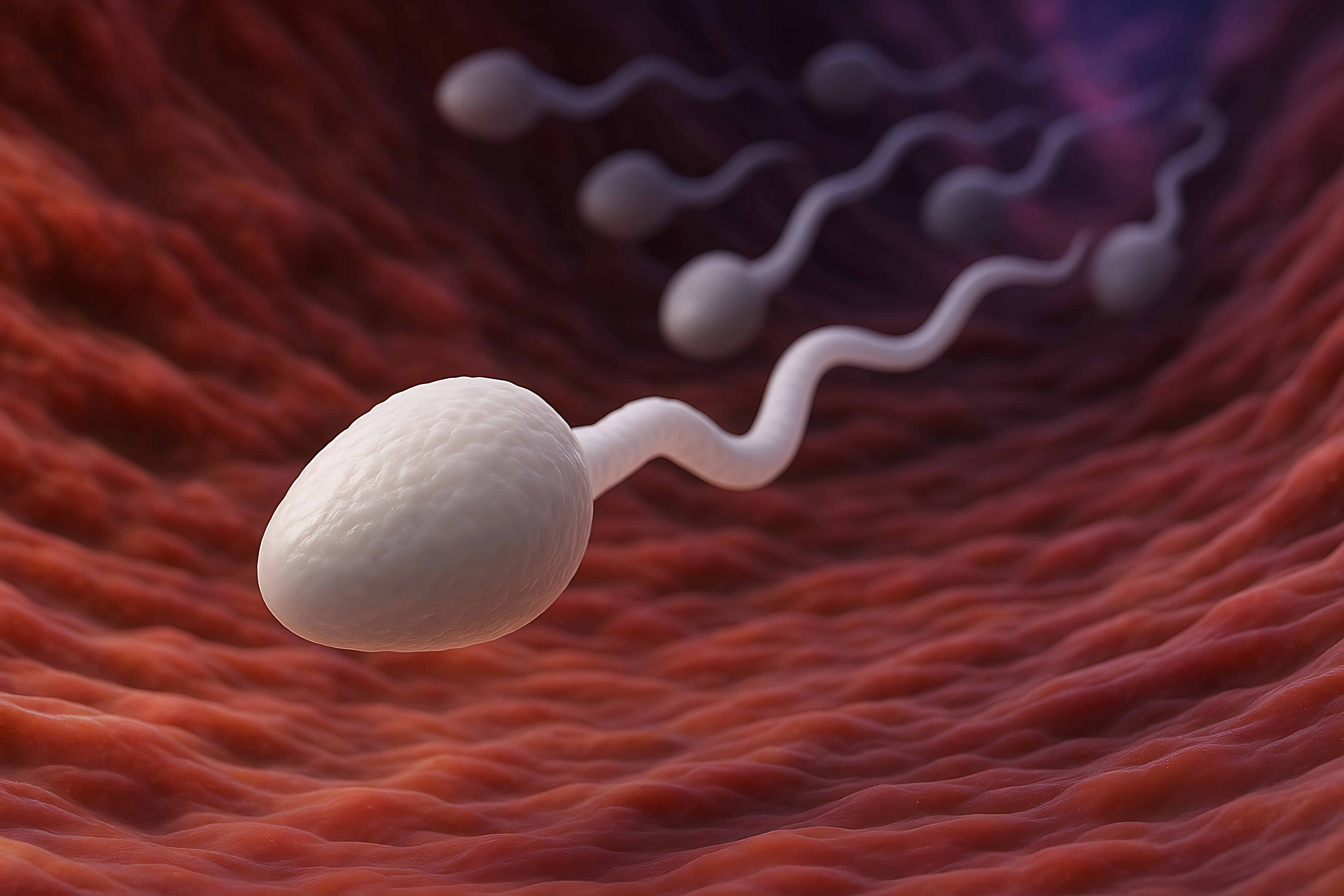
The cause of almost half of all cases of infertility is male infertility, which is under-discussed. As the World Health Organisation suggests, oligospermia is a major proportion of the number of men who visit fertility clinics around the world. Some of them are not aware of its presence until they attempt to conceive.
In the majority of men, the condition does not have any apparent symptoms. It is painless, has no outward manifestation, and in many cases, there is no prior sign that something is amiss. This further increases the importance of testing as a means of diagnosis.
This blog describes the nature of oligospermia, its causes, and its treatment. This guide will give you the enlightenment you need in case you or your partner is worried about fertility and seeks a Gynaecologist in Ghaziabad.
Oligospermia can be defined as the number of sperm that is less than 15 million sperm per milliliter of ejaculate. It is categorized into three degrees of severity:
Extreme oligospermia drastically decreases the natural conception rates. Nevertheless, assisted reproduction methods such as IVF with ICSI can also be used to have children even by men with very low counts.
|
Cause |
How It Affects Sperm Production |
|
Varicocele |
Enlarged veins raise scrotal temperature, harming sperm |
|
Hormonal imbalance |
Low testosterone or FSH reduces sperm production |
|
Infections (e.g., mumps) |
Orchitis can permanently damage testicular tissue |
|
Undescended testes |
Abnormal testicular development affects sperm output |
|
Smoking and alcohol |
Oxidative damage to sperm DNA |
|
Obesity |
Alters hormone levels unfavourable to sperm production |
|
Heat exposure |
Laptops, saunas, and tight clothing raise scrotal temperature |
|
Anabolic steroids |
Suppress natural testosterone and FSH production |
Mostly, oligospermia is completely asymptomatic. The man is healthy, he is functioning normally, and does not have any reason to suspect anything wrong.
Symptoms are caused in certain instances by the underlying cause. Varicocele can produce a heavy ache in the testicle. The hormone imbalances can decrease libido or lead to erectile problems. The swelling or pain may initially be caused by infections that damage the production of sperm.
A semen analysis is the only sure method of diagnosis of oligospermia. Both partners should be tested as soon as possible when couples are unable to conceive after 12 (or 6 months in case of a woman over 35) months of attempts.
Can oligospermia be cured naturally? With lifestyle changes, mild cases are lifestyle induced, e.g., smoking, obesity, or heat exposure can improve significantly. Some clinical causes, such as varicocele or hormonal imbalance, are medical or surgical in nature.
Can a man with oligospermia father a child? Yes. The most profound cases of oligospermia could also be treated through IVF and ICSI, during which a single sperm is injected into the egg. Sperm count and quality are necessary to be successful.
Oligospermia is frequent, treatable, and can, in most cases, be completely controlled given the appropriate medical intervention. The most crucial step is early diagnosis by the use of semen analysis. Avoid letting assumptions or stigma put off a diagnosis that may alter the process of fertility.
Book your semen test and specialist consultation on-site at femmenest.com.
